

November 25, 2026 | Posted In Bus Stop and Transit Shelters, The Latest From Tolar: Blog
From Record Heat to a Historic El Niño: Why SoCal’s Bus Shelters Must Work Year-Round


Southern California transit riders are living through a year of extremes: record heat last summer, and now one of the strongest El Niño winters in decades on the way, with a real chance of heavy rain and flooding. Long Beach’s heat index hit 123 degrees Fahrenheit this past summer, the highest reading among 71 major U.S. cities tracked that week for dangerous heat, according to The New York Times’ heat wave tracker, an interactive map the Times updates regularly. For any rider standing at an unsheltered stop, that heat could become a health emergency.
Nationally, just 20% of bus stops served by the largest transit agencies have shelters, according to a 2022 Washington Post analysis. Unshaded bus stops can reach surface temperatures of 125 to 160 degrees, with full sun pushing the heat index up 15 degrees over a shaded stop. In Phoenix, that gap has cost lives: At least 40 people died from heat at bus stops between 2020 and 2022, according to an ABC15 investigation of Maricopa County Medical Examiner’s Office records.
Summers like this one aren’t a one-off. The hottest years on record have all landed within the past decade, and transit-dependent riders, seniors, people with disabilities and low-income commuters without another way to get around are the ones left standing in that heat each time the season stretches longer. Now those same riders are bracing for the opposite extreme.
NOAA’s Climate Prediction Center says El Niño is strongly in place, with an advisory issued in October and an 80% chance it stays at least a strong event through early 2027, among the largest since 1950. Separate NOAA forecasts cited by Insurance Journal put the odds of a very strong event above 90% this fall and winter, with a seasonal outlook favoring above-normal precipitation specifically across Southern California.
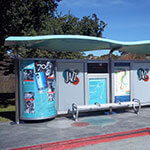
Long Beach, Carson and Torrance sit at the center of both extremes, and all three cities have already turned to transit shelters built to stand up to each. In downtown Long Beach, Tolar’s SIGA-CUSTOM-25 Gull Wing shelters pair full roof shade with perforated wall panels that vent hot air in summer, and the same roofline that blocks the sun also sheds rain. The project added eight shelters total, along with bike parking and bench seating. At the VA campus, Tolar’s SIGNA-CUSTOM-45 shelters use tempered-glass roofing and full bench seating to keep veterans and staff out of the sun in summer and dry through the winter storms ahead.
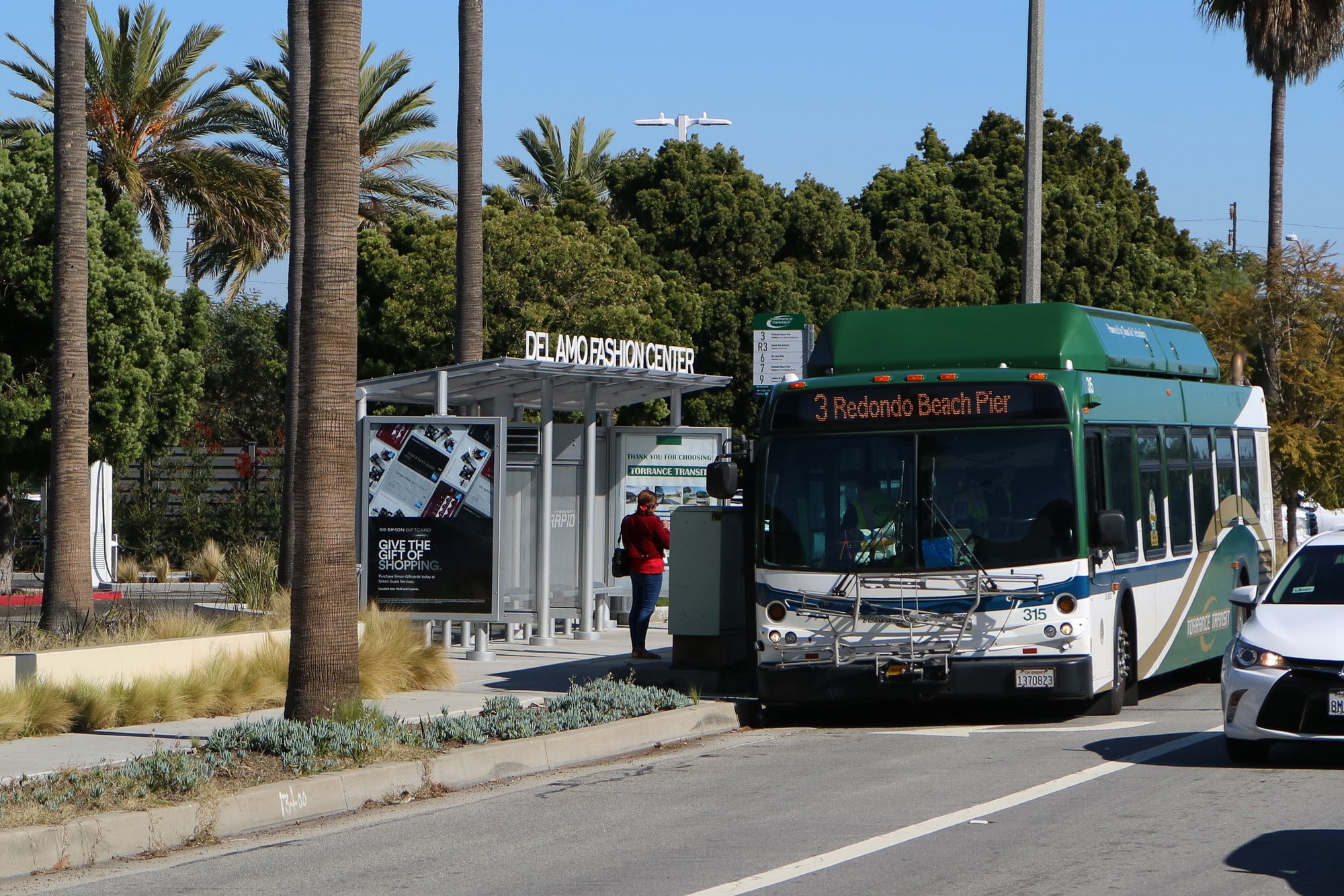
In Carson, Tolar has supplied shelters since 2016 and was recently selected to upgrade nearly 200 bus stops citywide, including 18 new transit shelters that pair covered seating with solar-powered lighting to keep riders visible and safe after dark without straining the grid. In Torrance, shelters along the RAPID route and at the Del Amo Fashion Center hub use the same perforated-wall design, admitting light and airflow in dry months while shedding rain once the storms arrive.
These projects share a common thread: None were decided on ridership numbers alone. As a leading bus stop shelter manufacturer, Tolar built its Bus Shelter & Amenities Decision Matrix so agencies could weigh heat index, headway times, service hours and rider population alongside daily boardings. The white paper behind the Matrix, “Rethinking the Criteria for Placing Amenities at Bus Stops,” argues that the stops serving the most exposed riders, not just the busiest ones, deserve a shelter first, a case only strengthened by a region now facing extremes at both ends of the forecast.
Agencies planning their next shelters have a choice: keep prioritizing by boardings alone, or factor in the full range of conditions riders actually face, from scorching afternoons to storm-driven downpours. Download the Decision Matrix white paper to see how that approach works, and how Tolar’s transit shelters are already doing it in Long Beach, Carson and Torrance.